
Why us
Our expert estheticians are dedicated to ensuring that you get personal attention and top-quality service for all of your skin concerns. We care about You...




Online Consultation
We know it can be hard to find the right treatment for your skin. That's why we offer all new clients an online 30 minute consultation for $50 before any treatment.
We’ll talk about your skin and find the right treatment to get the skin you want.




We understand the significance of trust and are committed to earning it every step of the way.
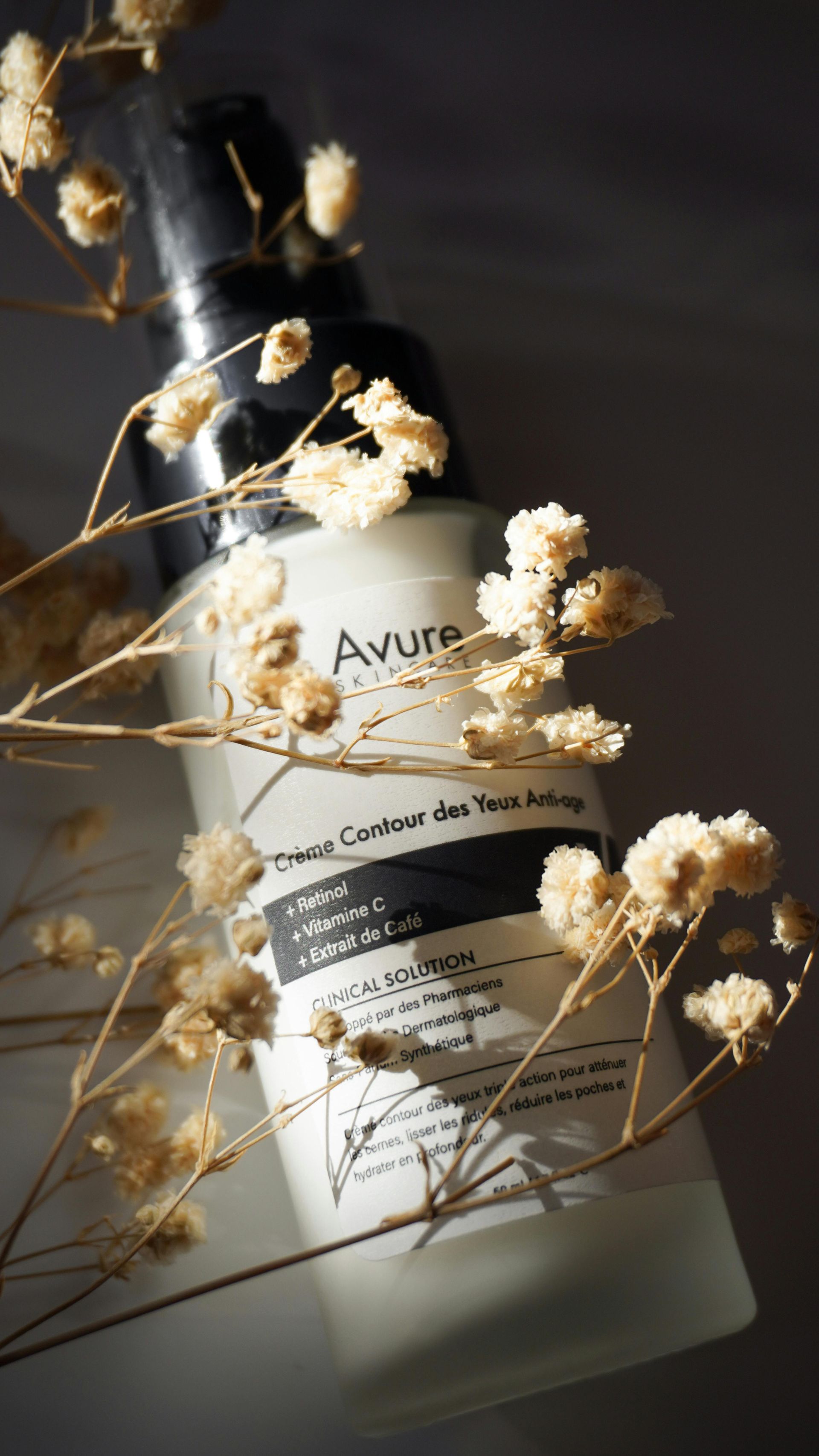
What Are Retinoids? Retinoids are Vitamin A derivatives known as the gold standard in skincare. They accelerate cell turnover, stimulate collagen, and address concerns like fine lines, uneven tone, and acne. But here’s the key difference: retinol, retinal, and retinoic acid vary in strength and how your skin converts them into the active form. 1. Retinol – The Beginner’s Choice Definition: The most popular over-the-counter retinoid. Conversion: Retinol → Retinal → Retinoic Acid (two steps). Strength: Mild, takes longer to show results, but gentler on the skin. Best for: First-time retinoid users or those with sensitive skin. ✨ Retinol = steady results with low irritation. 2. Retinal (Retinaldehyde) – The Middle Ground Definition: A lesser-known but highly effective Vitamin A derivative. Conversion: Retinal → Retinoic Acid (one step). Strength: Faster results than retinol, but still tolerable for most skin types. Best for: Intermediate users who want quicker results without jumping to prescription strength. ✨ Retinal = efficient, effective, and balanced. 3. Retinoic Acid (Tretinoin) – The Prescription Powerhouse Definition: The pure, active form of Vitamin A. Conversion: None — your skin uses it immediately. Strength: The strongest option, available by prescription in most countries. Best for: Advanced anti-aging needs or persistent acne, under dermatologist guidance. ✨ Retinoic Acid = maximum results, but also maximum sensitivity. ⚖️ Which Retinoid Is Best for You? Beginner → Retinol (gentle, slow and steady). Intermediate → Retinal (faster visible results, still OTC). Advanced → Retinoic Acid (dermatologist-prescribed, most powerful). 🚨 Pro Tip: Always pair any retinoid with daily SPF 30+ — retinoids increase sun sensitivity. 💆 Spa Insight: Pair with Professional Treatments At Skingraphy Clinical Spa, we often recommend balancing at-home retinoid use with professional treatments such as: Hydrating facials → to counter dryness Chemical peels → to safely enhance cell turnover Customized serums → layered for maximum effect This combination ensures your skin gets both science-driven and spa-powered care. ✨ Final Thoughts Retinoids may seem complicated, but think of them as a ladder of strength: Retinol → gentle introduction Retinal → faster and stronger Retinoic Acid → maximum power Choose the level that matches your skin goals, start slowly, and let Vitamin A transform your complexion.

From ancient civilizations to modern-day oases, the concept of the spa has evolved over thousands of years. Let's take a journey through time and explore the fascinating history of pampering. Ancient Egypt: Where it All Began Around 4000 BC, ancient Egyptians built elaborate bathhouses, complete with hot tubs, saunas, and even early versions of massages. They believed that bathing was not only essential for cleanliness but also for spiritual purification. Who knew that the Egyptians were the original spa enthusiasts? The Roman Empire: Spa-ing Gets a Makeover The Romans took the concept of bathing to a whole new level. They built sprawling bath complexes, complete with heated floors, steam rooms, and even libraries. It was the ultimate relaxation experience. Just imagine soaking in a hot tub, sipping wine, and discussing the latest philosophical trends with your friends. The Middle Ages: A Dark Time for Spa-Lovers During the Middle Ages, bathing became a rare and dreaded activity. Yep, you read that right – people thought bathing was a sin! It's hard to imagine a time when personal hygiene was seen as a luxury, but thankfully, we've come a long way since then. The Modern Era: Spa-ing Gets a New Lease on Life In the 19th and 20th centuries, the concept of the modern spa began to take shape. People flocked to thermal baths and springs, hoping to cure ailments like arthritis and gout. And with the rise of luxury resorts and spas, the art of pampering reached new heights. Today: The Era of Customized Spa Experiences

Self-Care Practices for Busy Lives
